Treatments
Pigmentation support in Kettering
Brown patches, sun spots, melasma and the marks left behind after spots or injury all come under pigmentation, and they are among the most common reasons people come to us. They are also among the most misunderstood. We start by identifying which type you have, because the right plan depends on it.
Types of pigmentation
Sun damage and age spots. Flat brown marks on the face, hands and chest from years of UV exposure. Usually the most responsive to treatment.
Melasma. Symmetrical patches, often on the cheeks, forehead and upper lip, driven by hormones and sunlight. It needs a careful, gentle approach: aggressive treatment makes it worse.
Post-inflammatory hyperpigmentation. Marks left after acne, eczema, injury or a treatment. Common in darker skin tones and improves well with patience.
How we treat it
Microneedling with brightening actives, mesotherapy with vitamin C and tyrosinase inhibitors, Dermalux LED to calm inflammation, and above all consistent sun protection and homecare. Individual sun spots and some flat pigmented blemishes can also be treated directly with advanced electrolysis. Your plan may combine several of these over a course of months.
Microneedling · Fractional mesotherapy · Dermalux LED · Advanced electrolysis
What to expect
Pigmentation improves gradually, not overnight. Most plans run over three to six months with reviews along the way. Sun protection every day, all year, is not optional; without it any gains are lost.
Frequently asked questions
How do you know which type of pigmentation I have?
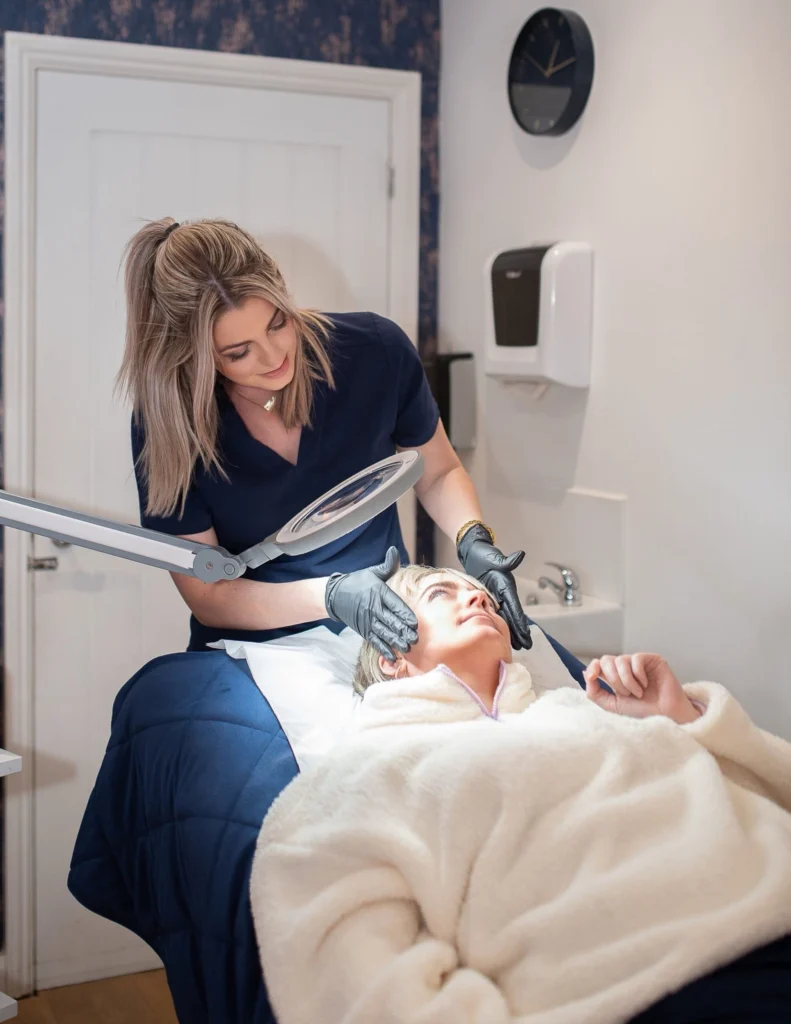
At your skin consultation we look at the pattern, colour and position of the marks, ask about sun exposure, hormones, medication and anything that has happened to the skin, and examine the area under magnification. Sun damage, melasma and post-inflammatory marks each need a different approach, so this step decides the plan.
Can pigmentation be removed completely?
Sun spots and post-inflammatory marks often fade very well. Melasma is managed rather than cured: it can be lightened and kept under control, but it tends to return with sun and hormonal changes, which is why gentle treatment and daily protection matter more than any single session.
How long before I see a difference?
Pigmentation improves gradually. Most plans run over three to six months, with reviews along the way so we can adjust what we are doing. Early changes usually show within the first few weeks of consistent homecare and treatment.
Do I really need sun protection every day?
Yes, all year, including cloudy days and time spent indoors near windows. UV exposure is what created the pigment, and without daily protection any improvement is quickly undone. We will recommend a product you will actually want to wear.
Is treatment suitable for darker skin tones?
Yes, with care. Darker skin is more prone to post-inflammatory marks, so we favour gentle, progressive treatment over anything aggressive, and we assess your skin before suggesting any plan.
Can a single sun spot be treated on its own?
Often, yes. Individual sun spots and some flat pigmented blemishes can be treated directly with advanced electrolysis in a short appointment. We will tell you at consultation whether yours is suitable.
Your next step
Related: Skin health and rejuvenation · Skin Renewal Programme · Advanced skin consultations